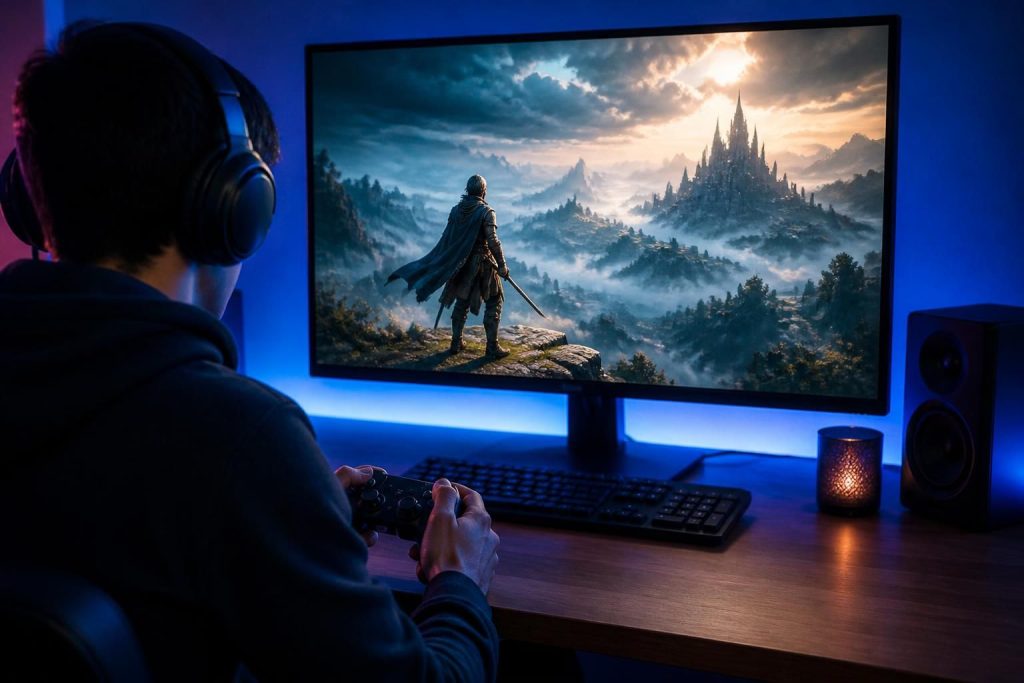
Game soundtracks and music play a crucial role in shaping the emotional landscape of gaming experiences. From the adrenaline-pumping scores that accompany intense battles to the soft melodies that punctuate moments of reflection, music in games has evolved into a sophisticated tool for storytelling and immersion. As developers and composers push the boundaries of audio design, the impact of soundtracks on gameplay and player emotions has come to the forefront of the gaming culture.
How Music Enhances Player Engagement
The integration of music in video games significantly enhances player engagement by creating an emotional connection to the gameplay. When players hear a compelling soundtrack, it can elevate their experience, making it more memorable. For instance, the score in The Legend of Zelda: Breath of the Wild subtly shifts based on the player’s actions, reinforcing the feelings of exploration and discovery. As players traverse the expansive landscapes, the ambient sounds blend seamlessly with the dynamic music, creating a rich tapestry that draws them deeper into the game world.
Moreover, game soundtracks are often designed to respond to in-game events, creating a feedback loop that heightens emotional stakes. In intense moments, such as boss battles in action games like Doom, the heavy metal soundtrack ramps up the adrenaline, encouraging players to remain focused and engaged. This carefully curated audio experience serves to amplify the excitement, making victories feel more gratifying and defeats more impactful.
The Role of Nostalgia in Game Music
Game soundtracks also tap into nostalgia, a powerful emotional trigger that can profoundly affect player experiences. Many players have fond memories associated with specific tunes from their childhood or formative years spent gaming. Titles like Final Fantasy VII and Super Mario Bros. feature iconic music that has transcended the games themselves. The nostalgic power of these soundtracks often draws players back to their favorite games, igniting a sense of familiarity and comfort.
Composers often weave themes throughout their scores, allowing players to associate specific melodies with characters or moments in the game. This technique not only enhances emotional attachment but also reinforces storytelling through music. A poignant example is the main theme of The Last of Us, which encapsulates the game’s somber themes and character journeys, leaving a lasting impression on players long after they finish the game.
Innovations in Game Music Composition
The landscape of game soundtracks and music has seen groundbreaking innovations with advancements in technology and gameplay design. Composers now have access to more sophisticated tools and techniques, allowing for more intricate and adaptive music systems. The rise of dynamic music composition, where scores change based on player actions, is becoming increasingly common. Games like Red Dead Redemption 2 seamlessly transition between different musical styles and tempos in response to the player’s journey, creating an immersive experience that feels alive.
Additionally, the incorporation of live orchestras and collaborative efforts with renowned musicians has further elevated the quality of game soundtracks. Titles such as Ori and the Will of the Wisps feature sweeping orchestral scores that rival film soundtracks in depth and emotion. This shift reflects the growing recognition of game music as a legitimate art form, deserving of the same respect and recognition traditionally afforded to film and concert music. For more on this topic, see สล็อต.
The Impact of Soundtracks on Esports and Competitive Gaming
In the realm of esports, game soundtracks and music play an equally vital role, influencing both player performance and spectator experience. High-energy tracks often accompany gameplay, enhancing the tension and excitement of competitive matches. Games like League of Legends feature intense soundscapes that not only energize players but also engage viewers during tournaments. The music sets the stage for battles, amplifying the drama and spectacle that fans anticipate.
Furthermore, the use of music in esports often becomes a branding tool, with specific tracks associated with teams or tournaments. This creates a shared experience among fans and players, fostering community spirit and engagement. As esports evolves, the role of soundtracks will continue to be pivotal in shaping how audiences connect with the action on screen.
Future Directions in Game Soundtrack Development
Looking ahead, the future of game soundtracks and music appears promising, with potential for even more innovative approaches to audio in gaming. Virtual reality (VR) and augmented reality (AR) introduce new dimensions of sound that can enhance immersion. Composers are exploring spatial audio techniques to create environments where sound feels like it surrounds the player, enriching the overall experience.
Moreover, the integration of artificial intelligence in music composition holds exciting possibilities. AI can analyze player behavior and adapt music in real time, ensuring that the audio experience is uniquely tailored to each player’s journey. This level of personalization could lead to unprecedented emotional connections between players and the games they love.
As game soundtracks and music continue to evolve, they will remain integral to the storytelling and emotional depth of video games. From enhancing player engagement and tapping into nostalgia to driving innovations in composition, the role of music in gaming will only grow in significance, defining the emotional landscape of future gaming experiences.
In conclusion, game soundtracks and music are not merely background elements; they are vital components that shape player emotions and enhance gameplay. As technology advances and the gaming industry evolves, soundtracks will continue to push boundaries, deepening the connections players feel to their favorite games and enriching the overall gaming culture.